how your digestion shapes your mood, immunity, and long-term brain health
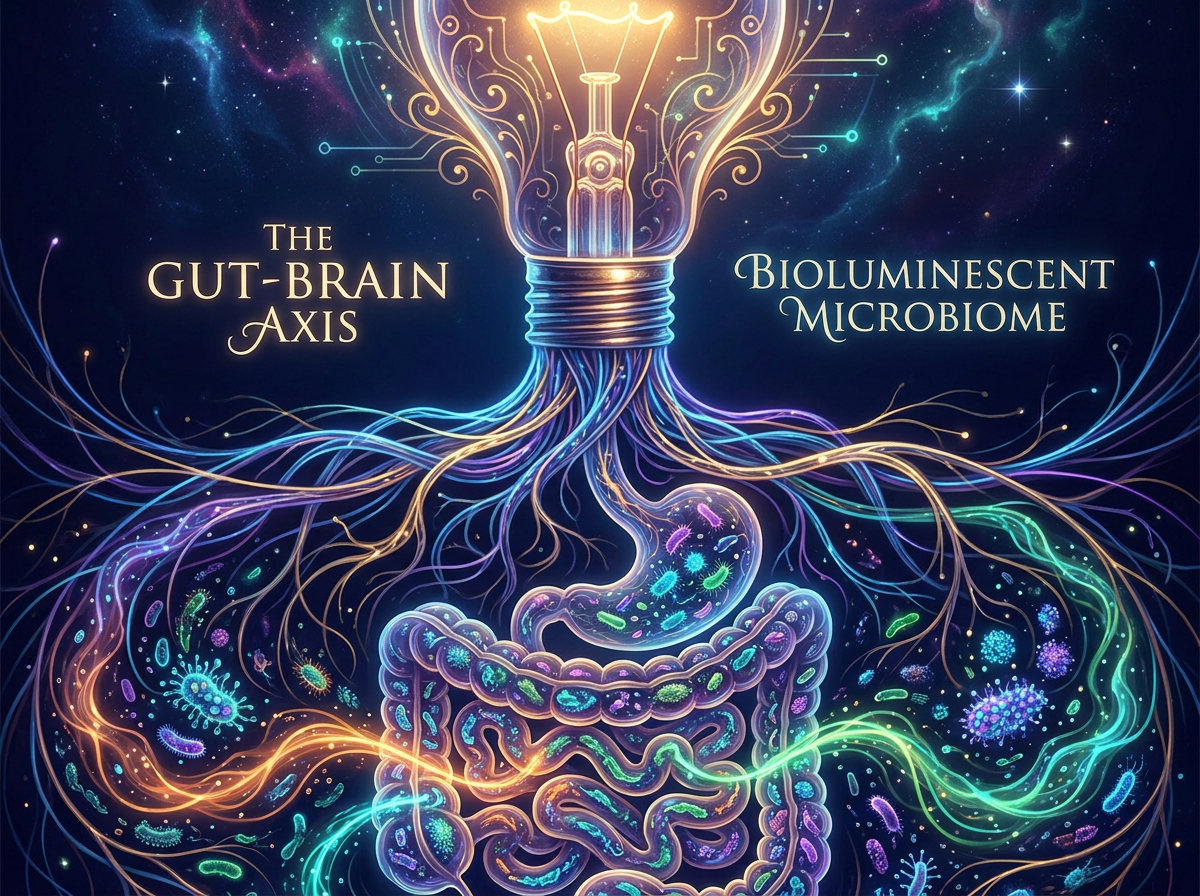
Modern science now supports a powerful gut–brain connection, even though the idea that digestion, mood, immunity, and vitality are deeply linked has been understood in traditional systems for centuries. The gut–brain axis is not just a wellness phrase; it is a real communication network involving the nervous system, immune system, hormones, microbial metabolites, and inflammatory signaling. This helps explain why gut health can influence sleep, anxiety, cognition, appetite, and long-term disease risk.
The intestines and the brain communicate through the vagus nerve, immune pathways, stress hormones, microbial byproducts, and neurotransmitter precursors. When the gut microbiome is balanced, it helps support digestion and metabolic resilience. When it becomes disrupted — a state often called dysbiosis — the effects can extend far beyond the intestines. Digestive symptoms may appear first, but changes in mood, inflammation, and cognitive clarity can follow later.
A person may not feel immediate neurological symptoms from a poor diet, repeated stress, or frequent medication exposure, but that does not mean nothing is changing. A disrupted microbial ecosystem can influence whole-body physiology long before the signs become obvious.
medications, the microbiome & why precision matters
Medications can help and sometimes save lives, but some commonly used drugs can also alter gut flora, digestive function, or nutrient status when used repeatedly or unnecessarily. Antibiotics can reduce microbial diversity, acid-suppressing drugs can affect digestion and bacterial ecology, nonsteroidal anti-inflammatory drugs can irritate the gut lining in some people, and some bowel medications can alter gut function when overused. This does not mean medicine should be rejected; it means it should be used with precision and paired with food strategies that support recovery, diversity, and gut integrity.
Food choices shape the microbial terrain every day. Many modern diets lack enough fiber, polyphenols, and micronutrient variety to support a healthy microbiome. Low intake of fruits, vegetables, legumes, and whole grains can reduce the substrate beneficial bacteria need to produce compounds that support bowel function, inflammation control, and possibly even mental well-being.

buckwheat honey, apples & evidence-based food claims
Some popular claims about food and health spread quickly online, but not all are equally supported. Apples are a healthy food — research published in Thorax journal has explored the association between apple consumption and reduced asthma risk in children — but claims should always be tied to the exact condition, dose, and population studied. Buckwheat honey has evidence for soothing cough in some contexts, especially for children older than one year, and in certain studies has performed comparably to over-the-counter cough suppressants.
what parents can do every day
Parents do not need fear-based messaging. They need practical guidance. A child’s gut and brain benefit from regular fiber intake, fruit and vegetable variety, adequate hydration, sleep, movement, reduced ultra-processed food intake, and careful rather than reflexive use of medications. Food is not a magic cure, but it is a daily biological input that shapes development, immunity, and nervous system function.
the future of medicine starts on the plate
The old idea that we are what we eat is not just poetry — it is physiology. What we consume influences inflammation, microbial balance, neurotransmitter precursors, digestive efficiency, immune function, energy regulation, and stress resilience. Diet, microbiome, and medicine interact continuously.
The gut–brain axis is not a fringe theory. It is a growing scientific field that confirms what many older healing traditions already understood: digestion, immunity, and mental state are linked.
For those who want to go deeper into organic food wisdom and evidence-based therapeutic eating, the future of medicine and cooking belongs to those who understand both the plate and the microbiome.
TCMchef Raphael