
two menus inspired by their wisdom
by TCMchef Raphael
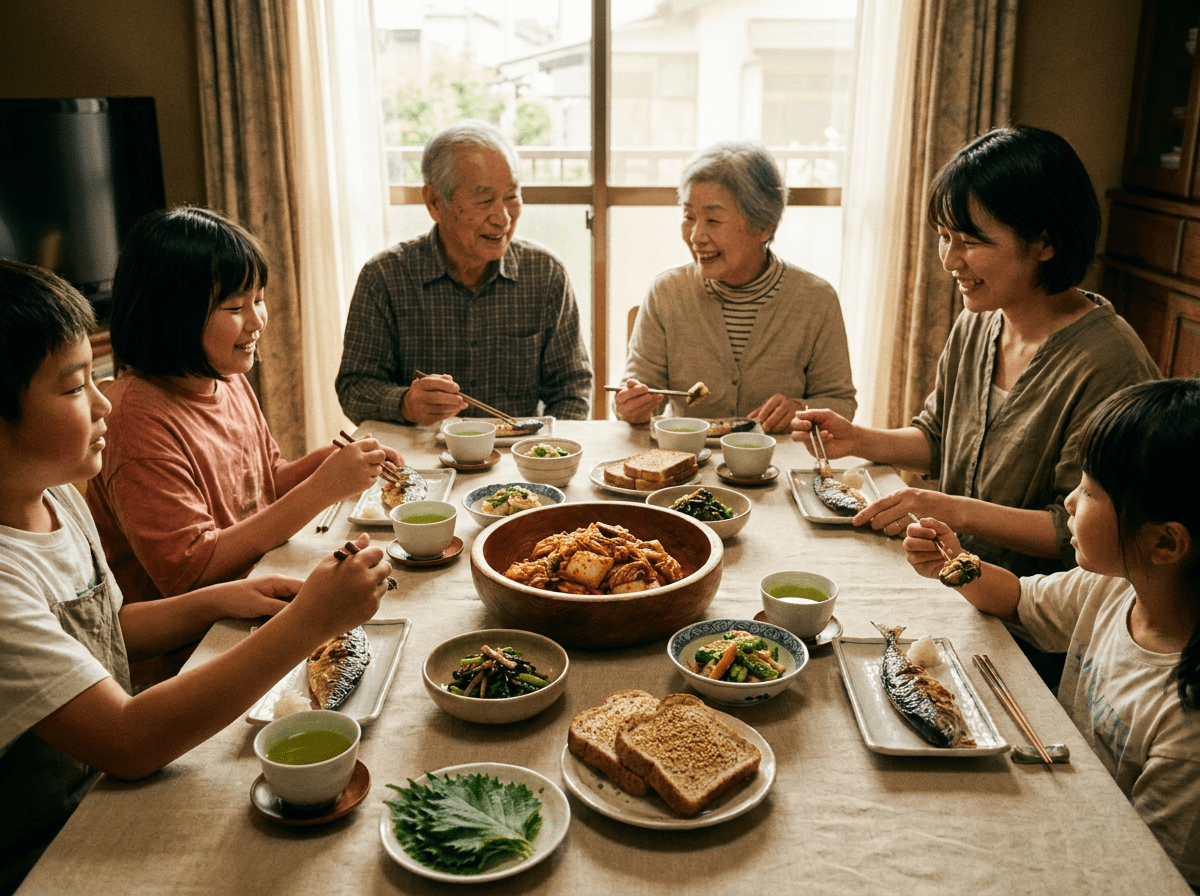
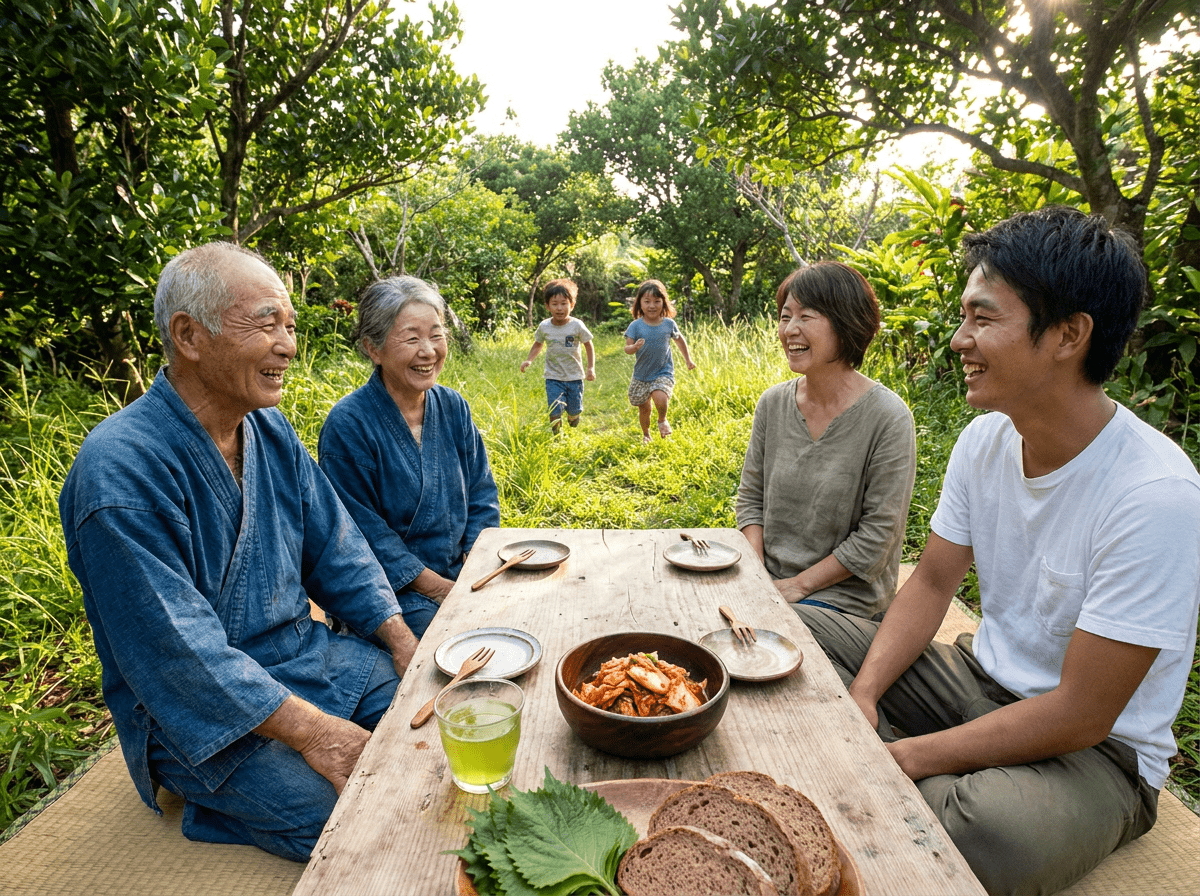
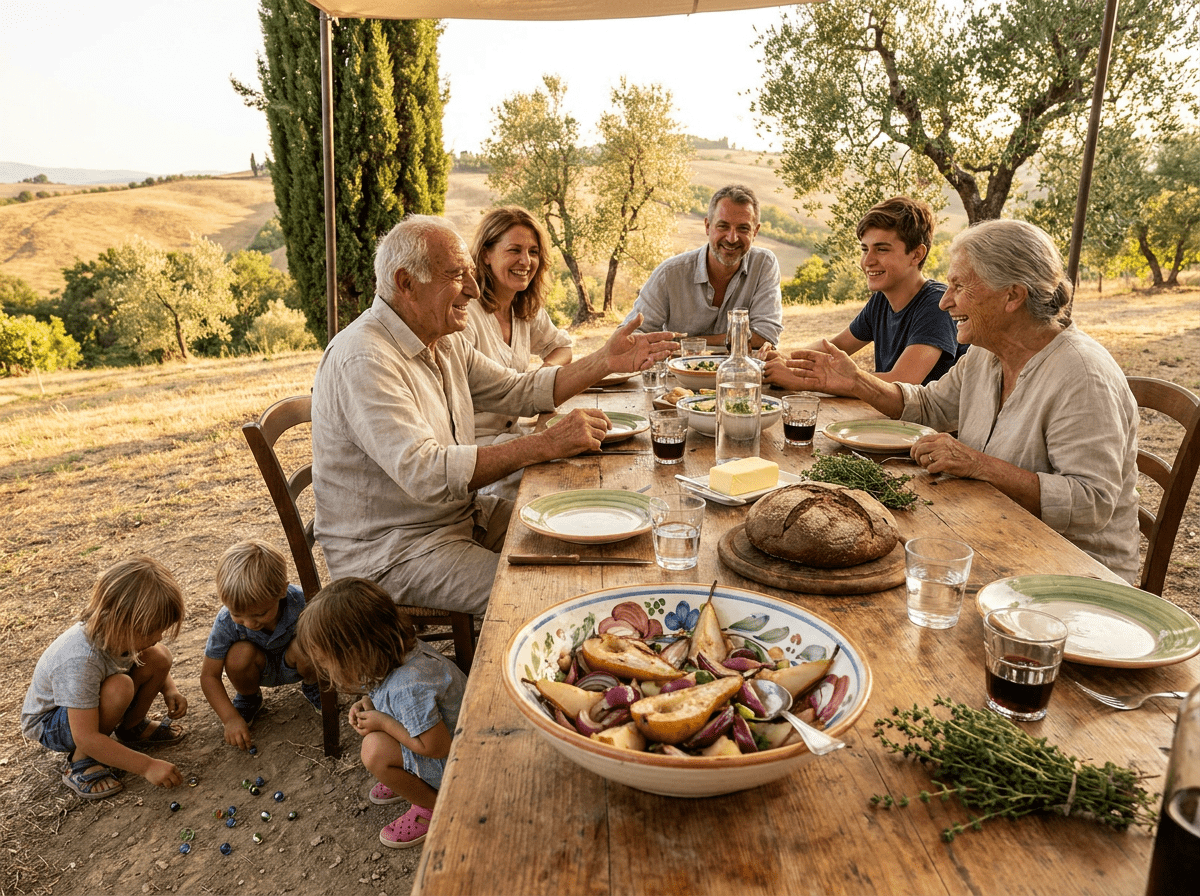
In Okinawa and in the quiet mountain villages near Sicily, two old couples in their mid-eighties may look completely different on the surface — yet they often live by the same deeper principles. Modest meals. Daily movement. Strong social ties. A way of life that treats food as part of health rather than a performance of wellness.
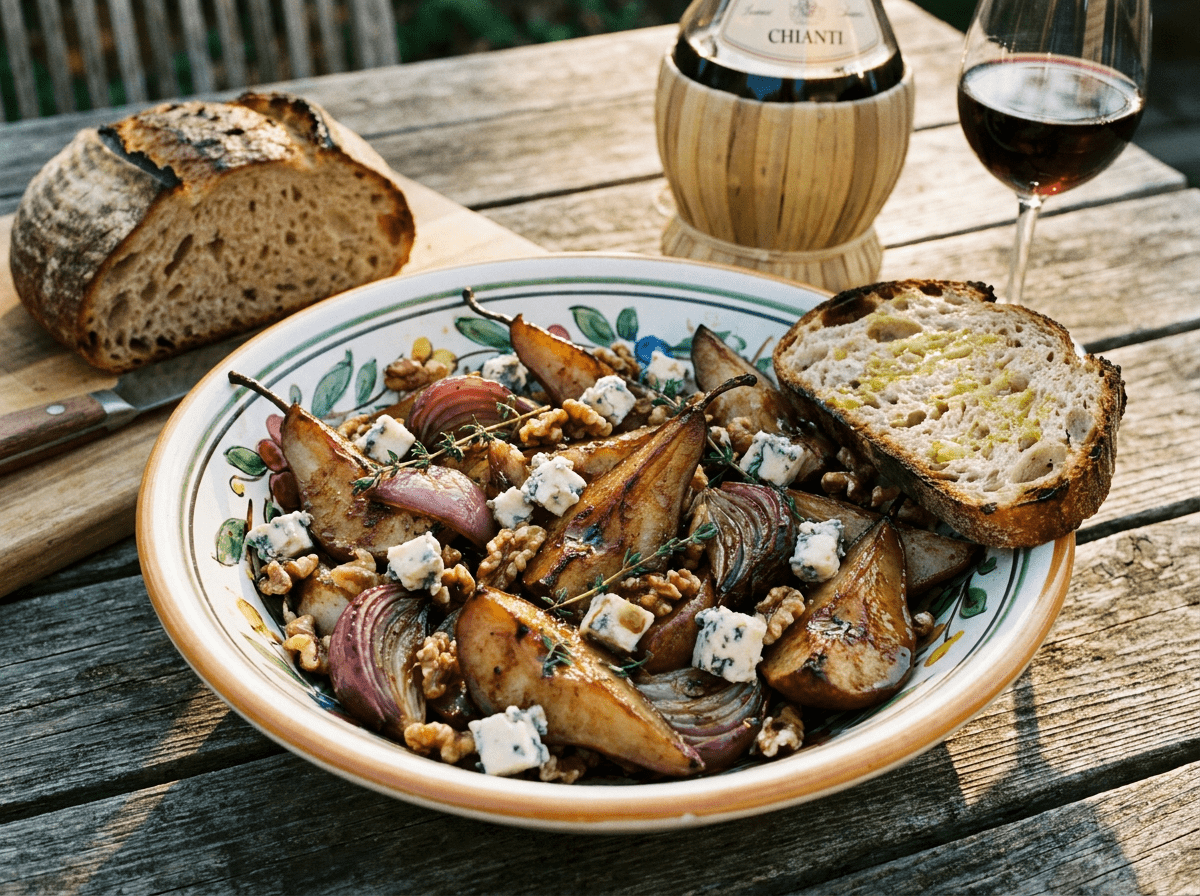
One couple may be preparing homemade fermented vegetables, green tea, and simple dishes shared with family. The other is setting out roasted pears with red onions, walnuts, thyme, toasted bread, blue cheese, a little balsamic vinegar, and a glass of wine. These are not luxury trends. They are old patterns of living — consistent, simple, and woven into daily life.
They do not chase health in fragments. They live it through rhythm, patience, and attention.
the food is only part of the story
Thyme, for example, is a quiet symbol of this kind of food wisdom. In Traditional Chinese Medicine, aromatic herbs have long been valued for supporting digestion and circulation — and thyme fits that family of ingredients with its warming, fragrant, and restorative character. Contemporary science has examined thyme for compounds such as thymol and carvacrol, which have shown antimicrobial and antioxidant activity.
Pears bring fiber and polyphenols. Walnuts contribute healthy fats and plant compounds. Onions offer sulfur-rich and prebiotic elements. Vinegar may help support a gentler blood sugar response when paired with food. A dish built from these ingredients is not just beautiful. It is structurally intelligent.
why real kimchi changes everything
The same logic appears in Okinawa through foods such as homemade kimchi, lightly fermented vegetables, tea, and simple meals eaten with others. Here is something worth knowing: commercially produced, store-bought kimchi is often laced with preservatives and sold in a sealed glass jar. That is a problem.
Real, active kimchi ferments — it breathes, it expands, it lives. Good quality kimchi is always sold in a bag or a jar fitted with a vent. A sealed glass jar with no vent tells you the fermentation has been stopped — and what remains is a product, not a living food. Making it yourself changes everything.
where modern people go wrong
Many people invest heavily in supplements, skin products, exercise routines, and every possible anti-aging promise — yet still arrive later in life exhausted, inflamed, and unsatisfied. They may have money, but not nourishment. They may have products, but not rhythm.
Health is not only bought. It is patterned. It is shaped by what you eat, how you breathe, how you rest, whether you move, and whether your meals are part of a real human life.
a simple practice to begin
Breathe in for four counts, hold for four, breathe out for four — and repeat five times. Then eat slowly. Look at the food. Smell it. Let the body know the meal has begun. A meal eaten in calm becomes more than calories — it becomes a message of safety.
The old-world lesson from Okinawa and from the hills near Sicily is not that one culture is better than another. It is that the healthiest patterns often look humble, local, and repetitive. Life is brief. Use it well. Eat with presence, move with ease — health is found not in extremes, but in ordinary meals practiced beautifully.
menu one — Japan: homemade napa cabbage kimchi
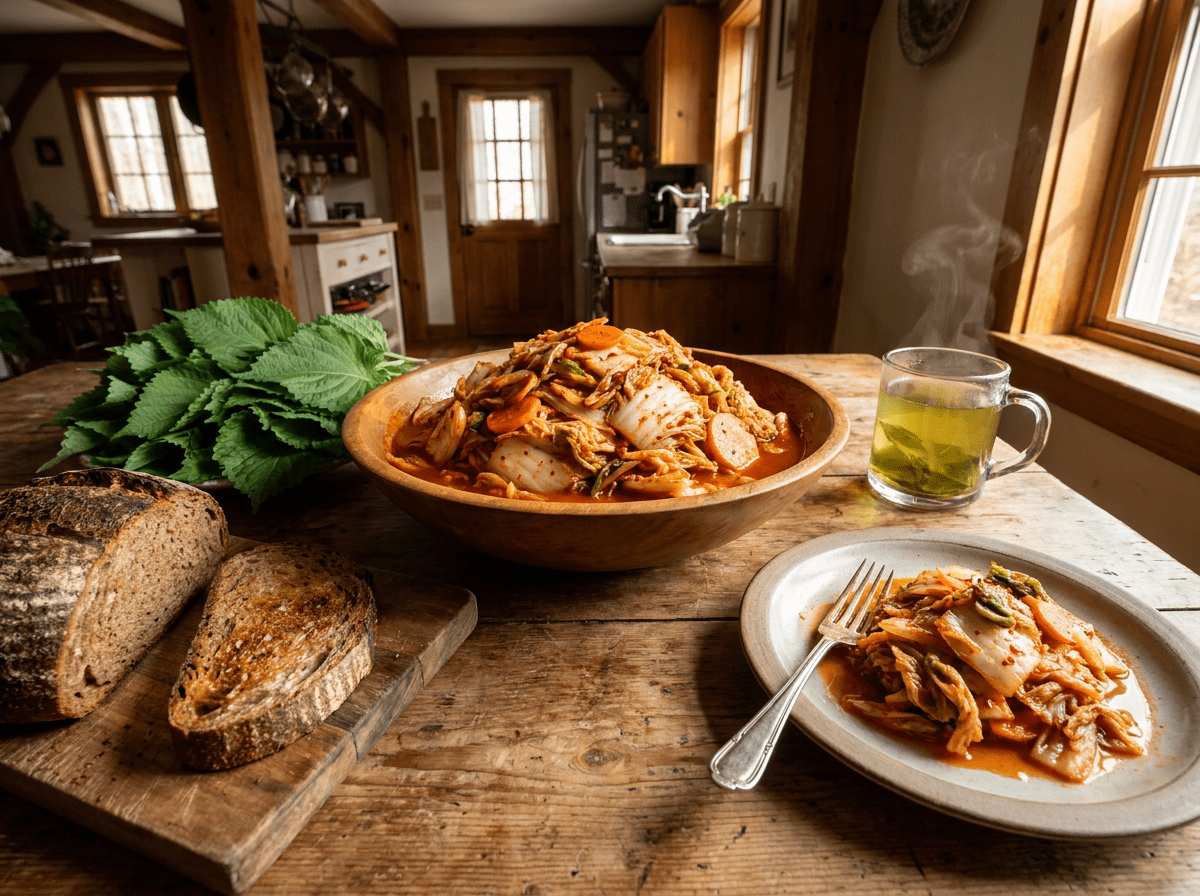
Lightly fermented Chinese cabbage with miso, carrot, and a hint of chili — served with sesame-toasted bread and fresh shiso leaves
Napa cabbage — also known as Chinese leaf or wombok — is the pale, yellow-green, veiny cabbage at the heart of traditional kimchi. Its soft, crinkled leaves absorb fermentation beautifully, becoming tender, tangy, and alive in a way that no commercial product can replicate.
Make it yourself. The difference is not subtle. This version is mild, approachable, and deeply nourishing. Fermented for twelve to forty-eight hours so it remains lively, digestible, and full of character.
Ingredients
1 small napa cabbage, roughly chopped — 1 tbsp sea salt — 2 cloves garlic, finely grated — 1 tsp fresh ginger, grated — 1 tsp miso paste — 1 small carrot, julienned — a hint of chili flakes — fresh Shiso leaves — sourdough bread — sesame oil
Method
Toss the Napa cabbage with sea salt and let it sit for one hour until it releases its water. Rinse lightly and squeeze dry. Mix in garlic, ginger, miso paste, carrot, and a small pinch of chili flakes. Pack tightly into a clean vented jar. Leave at room temperature for twelve to forty-eight hours, pressing down occasionally. When it is bright, tangy, and alive — it is ready. Serve alongside sesame-toasted sourdough and fresh shiso leaves.
Pairs with: Sencha green tea or warm barley water
menu two — Italy: roasted pear & caramelized red onion salad
With toasted walnuts, blue cheese, honey-balsamic dressing, Dijon mustard, olive oil, and fresh thyme
Thyme and time. The wordplay is intentional. Because this dish — like longevity itself — rewards those who do not rush. The pears are quartered and roasted alongside sliced red onions until they are golden, silky, and fragrant.
Ingredients
2 Bosc pears, quartered and cored — 1 large red onion, sliced — 1 handful toasted walnuts — 60g blue cheese, crumbled — 2 tbsp aged balsamic vinegar — 1 tsp raw honey — 1 tsp Dijon mustard — 2 tbsp cold-pressed olive oil — two tsp avocado or coconut oil – fresh thyme — sea salt and black pepper — toasted rustic bread to serve
Method
In a hot skillet (preheat) add the pears and sliced onions and AFTER the high-heat fry oil – when roasted until golden brown turn off the heat and add a drizzle of olive oil, season with salt and pepper, lay fresh thyme sprigs across everything. Whisk together blue cheese, balsamic, honey, Dijon, and olive oil for the dressing. Cool in the fridge. Arrange on a plate, scatter walnuts and blue cheese, drizzle dressing, finish with fresh thyme.
Pairs with: A small glass of Sardinian Cannonau red wine or warm lemon water
© TCMchef Raphael | tcmchef.com | raphael@TCMchef.com